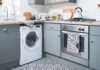

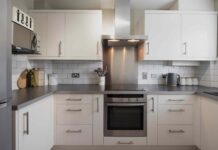

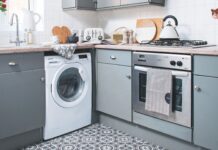



Many kitchens feel cramped not because of their size, but because of how they’re arranged or styled. Even large kitchens can feel suffocating if certain design mistakes are made. Fortunately, fixing these issues doesn’t always require a full remodel. Interior designers identify seven common problems that make kitchens feel smaller than they are, and offer practical solutions.
Countertop Clutter
One of the quickest ways to make a kitchen feel cramped is by leaving too many appliances on countertops. While keeping frequently used items like coffee makers accessible is convenient, excess clutter limits usable workspace.
Interior designer Candis Stratton notes that people often leave seldom-used appliances taking up valuable space. The solution? Store away appliances you don’t use daily. Keeping surfaces clear instantly creates a sense of spaciousness.
Poor Lighting Choices
Dim or poorly placed lighting can make a kitchen feel smaller than it is. Insufficient light visually shrinks a space. According to Stratton, countertops backed against walls can appear to disappear if not properly illuminated.
To fix this, switch to brighter lightbulbs (checking fixture wattage guidelines first). Adding under-cabinet lights brightens dark corners, making counters seem larger. Pendant lights over work areas provide focused task lighting, further expanding the perceived space.
Overbearing Wall Cabinets
Heavy, solid upper cabinets can overwhelm a kitchen, making it feel closed in. Jaclyn Szerdi Morrison of Jewel Toned Interiors explains that an unbroken line of cabinets can visually compress the room, especially in smaller spaces or when combined with dark colors.
The solution isn’t always simple, but consider replacing some upper cabinets with open shelving, swapping solid doors for glass-front ones, or even removing uppers altogether. These changes create a more open, airy impression.
Inefficient Layout Design
A poorly designed kitchen layout is a frequent issue—and often the most expensive to fix. Stratton advises considering traffic flow during construction or remodeling.
Ask yourself: Do people have to walk through the work triangle to reach other rooms? Does accessing the refrigerator disrupt meal prep? Adequate walking space is critical, even in smaller kitchens. A well-planned layout feels larger than a cramped one, regardless of square footage.
Conflicting Zones
Every kitchen has dedicated zones for food storage, preparation, and cleanup. When these zones overlap, bottlenecks form, making the space feel constricted.
Szerdi Morrison points out that poorly defined zones create unnecessary clutter. Widen clearances between zones, especially on islands where mess is more visible. Separate food prep from cooking and cleaning to improve flow and reduce crowding.
Forcing an Island into Tight Spaces
Trying to shoehorn an island into a small kitchen is a common mistake. This leads to narrow walkways and poor circulation.
Chasity Centeno recommends ensuring at least 42 inches of clearance around the island. If you can’t accommodate three stools comfortably, eliminate the island altogether. Instead, focus on optimizing storage with appliance garages or base cabinet lifts.
Disorganized Cabinets and Drawers
A chaotic interior makes any kitchen feel smaller. Opening a cabinet to a jumble of lids and containers creates a sense of claustrophobia, making you feel like you lack storage space.
Stratton suggests investing in drawer and cabinet organizers. This makes items easy to grab and prevents rummaging, making the space feel instantly larger. Improving usability can enhance the perception of space, no matter where the change happens.
A well-organized and thoughtfully designed kitchen feels larger, more functional, and more inviting. By addressing these common mistakes, you can maximize the space you have and create a heart of the home that feels open and comfortable.