




Toy clutter is a common household problem, often escalating after holidays or birthdays. An overabundance of toys doesn’t just create visual chaos; it can overwhelm children, making focused play more difficult. Keeping a tidy playroom isn’t just about aesthetics—it’s about enriching playtime and creating a more peaceful environment.
Why Decluttering Matters
A cluttered space contributes to overstimulation, impacting both adults and children. When toys are scattered, it’s harder to find what’s useful, and kids can struggle to focus on any single activity. Regular decluttering isn’t simply about tidiness; it’s about creating a more functional, less stressful environment for learning and play.
Step-by-Step Decluttering Process
Before diving in, understand that involving children can teach valuable decision-making skills. As professional organizer Carrie Ypma suggests, letting kids participate fosters responsibility and an understanding of sharing. Here’s a breakdown of how to approach the process:
- Observe Toy Usage: Spend a week noting which toys are played with regularly and which ones remain untouched. Broken or battery-depleted items should be identified immediately.
- Gather All Toys: Consolidate every toy into one central pile. This visual reminder of the sheer volume is often more impactful than expected, ensuring nothing gets overlooked.
- Sort by Category: Divide toys into logical groupings:
- Stuffed animals/dolls
- Craft supplies (crayons, stickers, etc.)
- Building toys (blocks, LEGOs)
- Games (board games, video games)
- Baby toys (rattles, sensory items)
- Declutter by Category: Evaluate each group. Set reasonable limits (e.g., “ten stuffed animals,” “one bin of LEGOs”) and involve children in the decision-making process.
- Donate gently used toys to local shelters, preschools, or charities like Goodwill. Broken or incomplete sets should be discarded.
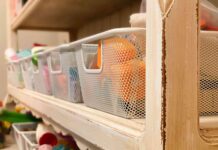
- Reorganize and Store: Use clear bins to store remaining toys by category, making them visible and accessible. Designate play zones (reading nook, art corner) to encourage varied activities.
Maintaining Organization Long-Term
Decluttering is only half the battle. Consistency is key. Implement a system where toys are put away after use, and revisit the decluttering process every few months to prevent buildup.
A little decluttering can go a long way in enriching our kids’ playtime and making our homes more peaceful and enjoyable.
By following these steps, families can reclaim their play spaces and foster a more organized, less overwhelming environment for everyone.