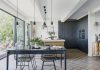


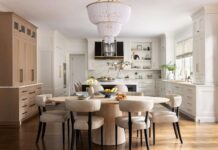


The kitchen remains the central hub of the home, and upcoming remodeling trends reflect a desire for both functionality and aesthetic appeal. Designers are predicting a shift towards styles that prioritize warmth, comfort, and personalized expression. This overview breaks down 18 popular kitchen styles, offering insights into materials, color schemes, and key design elements to inspire your next remodel.
Classic & Timeless Styles
Several enduring styles are expected to dominate in 2026, focusing on quality and longevity.
- Farmhouse Kitchen: Characterized by shaker cabinets, antique brass hardware, shiplap accents, and butcher-block islands, this style emphasizes rustic charm.
- Traditional Kitchen: Timeless elegance prevails with marble countertops, chrome fixtures, and a neutral palette. Investing in high-quality materials ensures lasting appeal.
- Transitional Kitchen: This blend of modern and classic elements offers versatility, incorporating traditional structures with contemporary accessories like updated lighting and seating.
Modern & Streamlined Aesthetics
Clean lines and minimalist approaches continue to gain traction, reflecting a desire for uncluttered spaces.
- Mid-Century Modern Kitchen: Emphasizes simplicity, quality wood, and clean lines. Matte black hardware and stacked tile arrangements create a distinctive look.
- Modern Industrial Kitchen: Combines neutral tones with mixed materials, such as black subway tile backsplashes and stainless steel appliances. Exposed wood beams add warmth.
- Contemporary Kitchen: Focuses on solids, extended cabinets, waterfall islands, and minimal displays for a streamlined appearance.
- Minimalist Kitchen: Prioritizes simplicity, avoiding ornate details and clutter. Plain cabinets, streamlined seating, and uncluttered surfaces are essential.
- Modern Kitchen: Clean lines and cohesive color schemes define this style. Black fixtures and natural wood accents add contrast.
Expressive & Eclectic Designs
More homeowners are embracing personalized touches, blending styles and injecting personality into their kitchens.
- Eclectic Kitchen: Encourages bold color choices, vibrant wallpapers, graphic tiles, and vintage-inspired decor for a curated, lived-in feel.
- Cottage-Inspired Kitchen: Charm and character are key, with shiplap backsplashes, warm paint colors, and displays of glassware or copper pots.
- Coastal Kitchen: Light blue cabinets, brass hardware, and woven textures evoke a relaxed, airy aesthetic.
Functional & Social Spaces
Kitchens are increasingly designed to connect with other living areas, promoting both practicality and social interaction.
- Open Floor Plan Kitchen: Seamlessly integrates with dining and living spaces, echoing colors and materials for cohesion.
- Eat-In Kitchen: Provides dedicated space for dining, homework, or relaxation, featuring statement lighting and comfortable seating.
Niche & Atmospheric Styles
Certain styles are gaining popularity for their unique ambiance and immersive experiences.
- All-White Kitchen: Classic yet adaptable, this style benefits from interesting backsplashes, statement hardware, and custom range hoods.
- Modern Rustic Kitchen: Combines clean lines with natural elements like wood ceilings and stone walls, creating a cozy yet contemporary space.
- Mountain Cabin-Inspired Kitchen: Raw wood beams, stone walls, and moody color schemes create a retreat-like atmosphere.
- Updated Craftsman Kitchen: Celebrates craftsmanship with natural wood frames while incorporating streamlined cabinets and marble backsplashes.
- Coastal Farmhouse Kitchen: Merges coastal and farmhouse elements with white walls, black fixtures, woven textures, and comfortable seating.
The key takeaway for 2026 kitchen remodels is flexibility: homeowners are no longer strictly adhering to single styles but rather blending elements to create spaces that reflect their individual preferences and lifestyles. This emphasis on personalization will likely drive further innovation in materials, colors, and design approaches.