

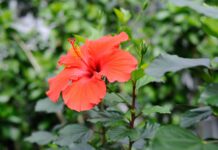



Hibiscus pruning is essential for maximizing flower production and plant health. Whether you’re growing tropical, hardy, or swamp hibiscus, the right pruning techniques ensure robust growth and stunning blooms. This guide details how to prune each type effectively, covering timing, methods, and even shaping hibiscus into a tree-like form.
Why Prune Hibiscus?
Pruning hibiscus isn’t just about aesthetics; it’s a core part of plant care. Strategic pruning encourages branching, which directly translates to more flower buds. More stems mean more blooms, but pruning also improves airflow and light penetration, reducing disease risk. While pruning temporarily delays flowering, the long-term benefits – fuller growth and larger flowers – make it worthwhile.
The key is understanding that hibiscus species differ in their pruning needs, so knowing your plant type is the first step.
Timing Your Prune
Pruning timing depends on the hibiscus variety. Tropical hibiscus benefits from a hard prune in spring, cutting stems back by roughly one-third. In frost-free climates, fall pruning is also viable. For potted tropical hibiscus overwintered indoors, pruning before bringing them inside keeps them manageable.
Hardy and swamp hibiscus require minimal pruning. Since these varieties die back in winter, simply cut dead stems to the ground in spring or fall. Removing damaged or diseased stems should happen as soon as you notice them, regardless of the season.
Pruning Techniques by Species
Tropical Hibiscus: The One-Third Rule
The most common method for tropical hibiscus involves cutting stems back by approximately one-third. Locate an outward-facing leaf node (the point where a leaf attaches to the stem) and make a clean, angled cut ¼ inch above it using sharp, sterilized pruning shears. Repeat this process for all long stems, ensuring the plant maintains a balanced shape. A post-prune fertilization boost encourages new growth.
Hardy and Swamp Hibiscus: Minimal Effort
These varieties require minimal intervention. After winter dieback, cut the dead stems back in spring before new growth emerges. Beyond that, only remove any damaged or diseased stems as they appear during the growing season.
Pruning for a Tree Form
If you want to shape your tropical hibiscus into a tree, start with a plant that has a straight, bare main stem at least two feet high. In spring, cut off the top of the stem 2 to 4 inches above the desired canopy height. Remove all lower side stems, leaving only those within 6 inches of the cut. Prune the remaining canopy stems back to 2 to 3 outward-facing leaf nodes. Continue removing any new growth on the main stem to maintain the tree shape, and pinch back the canopy tips to encourage fullness.
Essential Tips for Healthy Growth
- Climate-Appropriate Varieties: Choose hibiscus suitable for your region. If winters are too cold, grow tropical hibiscus in pots and bring them indoors.
- Nutrient-Rich Soil: Amend soil with organic matter to provide essential nutrients.
- Fertilizer Balance: Use a potassium-rich, low-phosphorus fertilizer (e.g., 10-4-12).
- Full Sunlight: Hibiscus thrives in direct sunlight for abundant flowering.
- Consistent Moisture: Keep soil moist with regular watering and mulching.
Frequently Asked Questions
Does hibiscus need annual pruning? All hibiscus benefits from yearly pruning, though the extent varies by type. Hardy and swamp hibiscus need dead stem removal, while tropical hibiscus may require more significant pruning in some years.
What happens if you skip pruning? Unpruned hibiscus becomes overgrown, dense, and produces fewer flowers. Poor airflow also increases susceptibility to diseases.
How do you prune a braided hibiscus? Remove excess growth by cutting above outward-facing leaf nodes, and remove any crossing stems. Prune in spring, but remove dead or diseased stems as needed.
In conclusion, consistent and species-appropriate pruning is key to thriving hibiscus plants. By following these guidelines, you’ll ensure bigger blooms, healthier growth, and a visually stunning addition to your garden.