

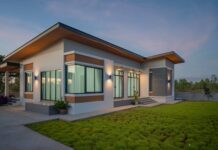



Transforming a backyard into a “backyard oasis” is about more than just planting flowers; it is about intentional design that creates a sense of escape, privacy, and purpose. Whether you are working with a sprawling estate or a compact urban lot, the goal is to create an outdoor environment that feels like a seamless extension of your home.
The following design principles, drawn from professional landscape architects and interior designers, offer a roadmap to creating your own private retreat.
🌿 Establishing Atmosphere and Style
The “vibe” of your outdoor space dictates how you will use it. You can choose between several distinct aesthetic directions:
- Timeless Elegance: Focus on classic elements like weathered stone, manicured lawns, and vintage decor (such as urns) to create a space that feels established and sophisticated.
- Organic & Rustic: Embrace the natural landscape. Use stone patios that follow organic shapes, incorporate “watering hole” style pools, and use materials that echo the surrounding terrain.
- Sleek Modernism: Utilize clean lines, a minimal color palette (such as black, white, and neutrals), and streamlined furniture to create a polished, high-end resort feel.
- Tropical Retreat: Use lush, large-scale greenery, vibrant flowers, and themed accessories like striped umbrellas or patterned cushions to evoke a vacation atmosphere.
🧱 Privacy and Boundary Management
A true oasis requires a sense of seclusion. Without boundaries, an outdoor space can feel exposed and uninviting.
- Natural Screening: Use tall hedges, mature tree canopies, or even “slightly overgrown” greenery to create a “secret garden” effect.
- Architectural Barriers: In urban environments, use lattice fencing, high walls, or modern gates to block out the city while maintaining an airy feel.
- Enclosed Corners: Creating “nooks”—such as a U-shaped banquette around a fire pit or a hammock tucked into a corner—provides psychological comfort and a sense of security.
🛋️ Functional Zoning: Making the Space Usable
One of the biggest mistakes in backyard design is treating the area as one large, undifferentiated space. Professional designers “zone” their layouts to accommodate different activities:
- Social Zones: Dedicated areas for conversation, centered around fire pits or cozy lounge seating.
- Dining Zones: Shaded areas with large tables, perhaps anchored by a tree or a pergola, designed for al fresco meals.
- Activity Zones: Specific spots for wellness (like a backyard yoga studio), play, or even a small herb garden in raised beds.
- Transition Zones: Winding garden paths that connect different “rooms,” such as moving from a dining deck to a quiet poolside lounge.
🏠 Blurring the Lines: Indoor-Outdoor Living
Modern design increasingly focuses on the “seamless transition.” By treating the backyard as another room of the house, you increase the livability of both spaces.
- Visual Connection: Use large glass doors (such as black steel-and-glass grids) to connect the kitchen directly to the patio.
- Material Continuity: Use similar color palettes and textures both inside and outside. For example, using rattan furniture or woven pendant lights can bridge the gap between interior decor and exterior landscaping.
- Modern Comforts: Bring the amenities of the living room outside by incorporating weather-resistant TVs, sound systems, outdoor fireplaces, and soft textiles.
💡 Pro-Tips for Specific Challenges
Maximizing Small Spaces
If you are working with a limited footprint, verticality is your best friend. Use hanging planters, tall slender trees, or wall-mounted decor to add dimension without taking up floor space. Additionally, choose small-scale furniture to prevent the area from feeling cluttered.
Designing on a Budget
You don’t need a full renovation to transform a yard. Focus on “soft” upgrades:
* Lighting: String lights or LED pendants instantly change the mood.
* Textiles: Outdoor rugs and throw pillows add warmth and color.
* Portable Elements: A movable fire pit or a stylish bar cart can create an instant “zone” without permanent construction.
The Bottom Line: A successful backyard oasis is defined by its ability to provide a sense of sanctuary. By thoughtfully zoning your space, prioritizing privacy, and choosing a cohesive design language, you can turn any outdoor area into a functional, beautiful escape.