



The appeal of secondhand furniture – the affordability, the character – is undeniable. However, a hidden threat lurks in bargain finds from eBay, Facebook Marketplace, and antique shops: woodworm. This isn’t a single pest but a catch-all term for wood-boring creatures that can silently compromise the structural integrity of your home. Understanding how to identify and prevent woodworm is crucial for anyone furnishing on a budget.
What Is Woodworm, and Why Does It Matter?
Woodworm refers to various insects whose larvae tunnel through wood, weakening it over time. Common culprits include furniture beetles and death watch beetles. While often associated with older timber-framed homes or antiques, woodworm can infest any wooden furniture stored in damp conditions.
Why this matters: Untreated infestations can spread from one piece to another, potentially causing significant structural damage to your home, especially in load-bearing beams or floors. The problem isn’t just aesthetic; it’s a safety issue.
How to Spot the Signs of Woodworm
Early detection is key. Here’s what to look for:
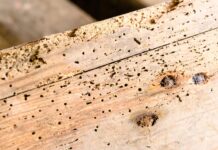
- Small holes: Varying from 1mm to 9mm in diameter, these are the most obvious sign.
- Frass: Fine, powdery sawdust-like residue around the holes or trickling from them.
- Weakened wood: Crumbly edges or a soft, easily dented surface.
- Adult beetles: During spring and summer, you might spot live beetles near windowsills.
Crucially: Active infestations are most common between April and September when beetles lay eggs.
Is the Infestation Active?
Holes alone don’t confirm an active problem. Look for:
- Bright, new holes with fresh frass.
- Visible larvae tunneling within the wood (though this is less common).
If you suspect an active infestation, professional inspection is vital. A qualified surveyor can identify the species and extent of damage before treatment.
What to Do If You Find Woodworm
Before Purchase: If you spot signs on a potential buy, walk away. Bringing infested furniture indoors risks spreading the problem.
Post-Purchase:
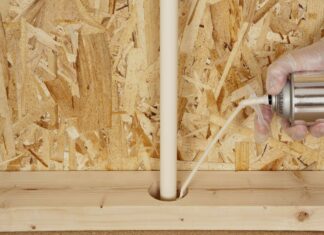
- Minor infestations: DIY treatments (like Rentokil Woodworm Killer) may work for small items, but require thorough application and won’t guarantee eradication.
- Severe cases: Professional intervention is necessary. This could involve fumigation, heat treatment, or freezing. Chemical biocides should be handled only by trained personnel.
Important Note: DIY solutions are often superficial. Insecticides create an envelope around the larvae, not a quick fix. Some species take 1–14 years to complete their life cycle, meaning complete eradication takes time and consistent monitoring.
Dampness: The Root of the Problem
Woodworm thrives in damp wood. If you find infestations in long-owned furniture, suspect underlying damp issues. Invest in dehumidifiers, improve ventilation, and consult a surveyor to address moisture sources.
Fixing Woodworm Holes
Once the infestation is controlled, you can repair the cosmetic damage:
- Minor holes: Leave them for character or fill them with furniture wax or wood filler.
- Extensive damage: Seek professional advice to ensure the wood’s structural integrity hasn’t been compromised before attempting DIY repairs.
Preventing Woodworm: Keeping Wood Dry
The most effective prevention is simple: keep wood dry.
- Remedy damp issues immediately.
- Ensure good ventilation.
- Never store wooden furniture in damp garages or storage units.
Woodworm isn’t a problem you can ignore. It requires vigilance, proper identification, and often, professional intervention. Taking proactive steps to protect your home from this silent destroyer is an investment in its long-term structural health.