



Recent shifts in lifestyle and design preferences suggest that the reign of the open-concept home may be waning. While not disappearing entirely, a growing number of homeowners and designers are rediscovering the appeal of more defined, separate living spaces. This trend reflects a broader cultural desire for privacy, functionality, and tailored environments, especially in a post-pandemic world where homes now serve as offices, schools, and sanctuaries.
The Rise of Defined Spaces
For years, open floor plans were championed for their airy feel and social flow. However, the realities of modern living – remote work, homeschooling, and a renewed emphasis on personal space – have prompted a reevaluation. As interior designer Emily LaMarque of Emily LaMarque Design Studio explains, “During the pandemic, so many people transitioned to working and learning from home and needing individualized spaces… that need really hasn’t decreased.” The demand for rooms that offer quiet, privacy, and dedicated functionality is driving a noticeable shift.
This isn’t simply about aesthetics; it’s about practical needs. Open plans can be challenging to furnish effectively, often requiring makeshift divisions with rugs or furniture. They can also lack the intimacy and coziness many homeowners now crave, as LaMarque notes, “open spaces don’t often have a cozy feeling that some people desire.” The always-visible clutter in open layouts is another consideration.
The Enduring Appeal of Open Concepts
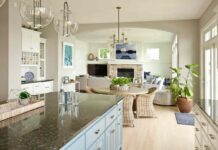
Despite the trend towards separation, open-concept designs aren’t vanishing. Louis Duncan-He, president and creative director of Louis Duncan-He Designs, points out, “The open, airy floor plan… will always be in the conversation.” Many homeowners still value the connection and spaciousness these layouts provide, particularly those who entertain frequently or live in milder climates. The preference remains highly personal.
However, even proponents of open plans acknowledge their drawbacks. Closed floor plans, while potentially isolating, offer unique benefits:
- Design Flexibility: Separate rooms provide distinct canvases for individual styles. “They provide an ample canvas for different design materials and selections,” LaMarque says.
- Personalized Spaces: Rooms can be tailored for specific purposes, such as a combined den, library, and home gym, catering to individual needs.
- Cozy Intimacy: Walls and defined areas create a more inviting, warm, and multifunctional atmosphere.
Revitalizing Open Plans for the Modern Era
For those committed to open-concept living, designers suggest incorporating architectural details to add depth and warmth. Crown molding, beams, textured wall treatments (like Venetian plaster or shiplap), and strategic lighting can prevent spaces from feeling impersonal. Focus on integrating timeless materials – oak flooring, marble, stone – to soften the expansiveness.
Ultimately, the ideal floor plan isn’t a matter of rigid adherence to a trend but a careful consideration of how people live in their homes.
The current shift isn’t about eliminating open concepts; it’s about evolving them. The future of home design will likely involve a blend of both approaches, prioritizing functionality, comfort, and the unique needs of each household.