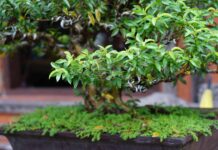




Space is the one luxury most of us lack. Your yard might be postage-stamp sized, yet you still want that tree line, that canopy, that shadow. Enter dwarf trees. Mature at about 15 feet or lower, they solve the geometry problem. No looming giants blocking your window views. Pruning? Easy. Containers? Yes, bring them inside if the winter gets brutal.
A note of caution though. Some of these pretty things are toxic. If you have kids, dogs, or cats, check the list before planting. Don’t just guess.
Here is the roster. Twenty-eight varieties to shrink the problem.
Color and Texture
Japanese Maple (Acer palmatum )
Classic. Compact. Leaves go from dark purple or red to brilliant fire-red in the fall. If purple bores you, look for ‘Lemon Lime Lace’. Starts lemon-yellow, hits chartreuse, ends in orange. It creeps up to 25 feet, so pick your spot. Prune in late fall, or not at all.
Japanese Cedar (Cryptomeria japonica )
‘Globosa Nana’ stays tiny. Three feet tall, pyramidal. Blue-green needles turn reddish-bronze in winter. Needs moisture. Never let the soil dry out. Shelter it from winter wind or it’ll turn into brown crisps.
Crepe Myrtle (Lagerstroemia indica )
Southern icon. Pink, white, or purple blooms from July through September. ‘Enduring Summer White’ is a petite 4-5 footer. ‘Catawba’ gets up to 15 feet with purple flowers. It grows multi-stemmed naturally, but you can prune it to look like a proper tree with one trunk.
‘Royal Star’ Magnolia (Magnolia stellata )
White star-shaped flowers. Less showy than the giant Southern Magnolia, which is actually good if you only have a patio. Grows to 20 feet. Likes sun. Needs acidic, loamy soil that doesn’t drown the roots.
Harlequin Gloryblower (Clerodendrum trichotoxic )
Show off alert. Summer flowers are loud. Fruits are purple and pearlescent. The leaves smell like peanut butter when bruised. Yes, really. Train it to a tree shape. It gets big (10-20 feet) so it’s a tall dwarf. Toxic to pets and people. Eat it at your own peril.
Franklin Tree (Franklinia alatamaha )
White, sweet-smelling flowers in late summer. Single trunk or multi-stemmed. Hits 10 feet max. Needs sharp drainage. If water sits at its feet, it dies. Simple trade-off.
Fruit and Foliage
Dwarf Flowering Crabapple (Malus spp. )
Hundreds of hybrids. ‘Abaria’ gives you 10 feet of creamy white blooms. ‘Cinderella’ offers 8 feet and yellow fruit. Both are toxic to animals. Keep the dog away.
Dwarf Cherry (Prunus avium )
Sweet cherries on a small scale. ‘Lapins’ drops heavy black fruit, grows 18 feet. ‘Stella’ is shorter (8-10 feet) with sweeter summer cherries. White spring blossoms look nice too. Best for temperate zones, not tropics.
Wintersweet (Chimonanthus praecox )
Technically a shrub, but trainable to a tree. Blooms in the winter. Yellow flowers with purple centers. Smells amazing near your deck. Keep soil moist, not soggy. It survives when everything else sleeps.
‘Covey’ Dwarf Redbud (Cercis canadensis )
Weeping form. Stays at 6 feet. Pink to purple blossoms appear before the leaves. A North American native, but it hates the heat. Train it to a single trunk for that clean look.
‘Carnival’ Hedge Maple (Acer campestre )
Foliage is a mess in the best way. Variegated silver, lime green, and cotton-candy pink in spring. Tops out at 15 feet. Low maintenance unless aphids move in.
Hardy Orange (Citrus trifoliata )
Don’t eat the fruit. It’s sour, lemon-like, and mostly grown for looks. White blooms. Sharp thorns. Prune after flowering. Grows as a shrub or small 15-foot tree.
The Evergreen Option
Hinoki Cypress (Chamaecyparas obtusa )
Slow growing. Japanese native. Flat scale-like leaves. ‘Confucius’ is tiny (5 feet). ‘Fernspray Gold’ is 10 feet of yellow branches. Horizontal branches that droop at the ends give it that cloud-like texture. Needs acidic soil.
Dwarf Alberta Spruce (Picea glauca ‘Conica’ )
The living Christmas tree. Dense blue-green needles. Grows 2 to 4 inches a year, so be patient. Reaches 13 feet max. Hates heat. If you are in Zone 7+, look elsewhere. It struggles and gets fungal issues without airflow.
Dawn Redwood ‘Miss Grace’ (Metasequoia )
The normal species hits 100 feet. ‘Miss Grace’ stops at 8 feet in a decade. Weeping habit. Stake it to make it upright or let it cascade on the ground. Slow is good here.
Spanish Fir ‘Fastigiata’ (Abies pinsapo )
Short, rigid needles in blue-green. Pinkish-purple seed cones turn brown. The dwarf version hits 10 feet, not the species’ 75 feet. Watch for bugs otherwise, it’s low care.
Dragon Lady Holly (Ilex ‘Meschick’)
Conical. Clean. No pruning needed really. But you need two trees—a female and a male—to get the red berries. Fruits are toxic to humans though. Pretty, but don’t snack on the garnish.
Natives and Oddities
Mountain Witch Alder (Fothergilla latifolia )
Shrub or tree, your call. White fragrant spring flowers. Fall foliage burns red, orange, yellow. Watch for root suckers spreading underground. Cut them back or you’ll have a patch instead of a plant.
Yellowhorn (Xanthoceras sorbificolium )
From China. White star flowers with red centers in spring. Rare in landscapes. Hardy as nails. Tolerates some shade. Grows up to 25 feet in big spots, but manageable in small ones.
Dwarf Chestnut Oak (Quercus prinoides )
Ecological powerhouse. Feeds moths, butterflies, birds. Produces acorns. Fall colors are gold and red. Drops fewer leaves than big oaks. If you want to save the bees, plant this.
Witch hazel was next on the list. Usually a shrub, sometimes a tall dwarf tree. Fragrant ribbons of yellow in late winter. If you like the cold months, give it space.
Which one fits your gap in the garden?