


Capping electrical wires is a common task in home maintenance, but it is also one of the most dangerous if done incorrectly. Whether you are removing an outlet, terminating a dead circuit, or reorganizing your electrical box, safety is the absolute priority. Improperly capped wires can lead to short circuits, electrical fires, or severe shocks.
This guide outlines the professional standards for safely terminating wires, ensuring your home’s electrical infrastructure remains secure and compliant with safety codes.
⚠️ Critical Safety First
Before touching any tool or wire, you must ensure the circuit is completely de-energized. Electricity does not forgive mistakes.
- Shut Off Power: Go to your main electrical service panel and flip the breaker for the circuit you are working on to the “OFF” position.
- Tag the Breaker: Place a strip of electrical tape over the breaker switch. This serves as a visual warning to prevent anyone—including yourself—from accidentally restoring power while you are working.
- Verify with a Tester: Never assume the power is off. Use a non-contact voltage tester to check every wire and metal part inside the box. The tester must indicate zero voltage. If it detects power, stop immediately, return to the panel, and ensure the correct breaker is off.
Step 1: Install a Junction Box
You cannot simply cap wires and leave them hanging in an empty space or tuck them behind drywall without a proper enclosure.
- Why it matters: An electrical box provides a safe termination point. It contains potential sparks and prevents accidental contact with live components.
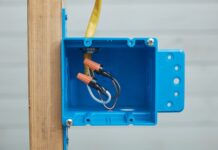
- How to do it: Install a standard electrical box near the terminated cable. Ensure the location allows you to pull at least 6 inches of cable slack into the box. This slack is crucial for future maintenance or if the wire needs to be reconnected later.
Step 2: Prepare the Wires
Proper preparation ensures a secure connection that won’t loosen over time.
- Strip the Sheathing: Carefully remove the outer plastic jacket of the cable.
- Trim Bare Ends: If any wire ends are frayed or damaged, use wire strippers to cut them back to the clean insulation.
- Expose Fresh Copper: Strip approximately 1/2 inch of the plastic coating off the end of each wire. Ensure the copper is clean, straight, and free of nicks.
Step 3: Secure with Wire Nuts
Wire nuts (or wire caps) are the primary method for capping individual wires.
- Select the Right Size: Using the correct size is critical.
- Too big: The nut won’t grip the wire and may fall off.
- Too small: It may seem tight initially but can fail under heat or vibration.
- Apply Correctly: Place the wire nut over the exposed copper end and twist it clockwise until it is snug. Give the wire a gentle tug to ensure the nut is holding firmly.
Step 4: Add Electrical Tape for Stability
While wire nuts provide the electrical connection, electrical tape adds mechanical security.
- Purpose: Wrap a small piece of electrical tape around the base of the wire nut and down slightly onto the wire insulation. This prevents the nut from unscrewing due to vibration or accidental bumps.
- Clarification: The tape is not for insulating bare wire ends; its only job here is to hold the wire nut in place.
Step 5: Label and Conceal
Organization prevents future hazards.
- Label: Before tucking wires back into the box, label them if necessary (e.g., “Dead Circuit,” “Lighting Loop”).
- Inspect: Double-check that no bare copper is exposed. Any visible copper can cause a short circuit if it touches other wires or the metal box.
- Tuck In: Neatly push the capped wires into the back of the box.
- Cover Up: Attach a blank wall plate to the box using the provided screws. This seals the area and protects the wires from dust and physical contact.
💡 Pro Tips for Best Results
- Group Wires Carefully: If capping multiple wires together, ensure they are all of the same type (all live or all unused). Never cap a live wire with a neutral or ground wire.
- Twist Before Capping: When connecting multiple wires with one nut, twist the exposed copper strands together clockwise before applying the nut for a tighter seal.
- Ground Wires: Bare copper ground wires do not need to be capped individually; they should be connected to the grounding screw in the box or twisted together with other grounds and secured with a wire nut.
- BX Cable: If working with armored cable (BX), the metal sheathing acts as the ground. It does not require additional capping.
🛑 When to Call a Professional
DIY electrical work has limits. Consider hiring a licensed electrician if:
- You are unsure about the circuit: If you cannot identify which breaker controls the wires, do not guess.
- The work involves the service panel: Working inside the main breaker box is high-risk and generally requires professional expertise.
- You lack experience: If you are uncomfortable with any step, especially testing for voltage, stop and call a pro.
Note: It is often safer and cleaner to terminate a dead circuit at the breaker panel rather than leaving capped wires in the walls. Fewer live wires in your walls mean fewer potential points of failure.
FAQ: Common Questions
Is it safe to use electrical tape on exposed wires?
No, not as a primary insulator. Electrical tape is a temporary fix or a secondary security measure for wire nuts. It should never be used to wrap bare high-voltage wires as a substitute for proper connectors.
What is the best alternative to electrical tape for capping wires?
Wire nuts are the industry standard for capping individual wires. They provide a secure, insulated, and mechanically stable connection.
Can I touch live wires with a screwdriver?
Absolutely not. Touching live wires with any conductive tool, including screwdrivers, can cause severe electric shock, burns, or death. Always assume wires are live until proven otherwise by a voltage tester.
Conclusion
Capping electrical wires is a straightforward task when approached with caution and the right tools. By shutting off power, using the correct wire nuts, and enclosing the connections in a proper box, you protect your home from fire hazards and electrical faults. Always prioritize safety over speed, and when in doubt, consult a professional.