





Hard water is the silent enemy.
Minerals. Calcium. Magnesium. They stick to everything in your house until it looks like old bone.
You don’t need chemical solvers for this. You already have white vinegar in the fridge.
It’s acidic. It eats scale. Here’s what experts say you should soak, pour, or wipe before those mineral deposits take permanent residence in your plumbing.
Showerheads
Alma Hinojosa cleans for a living. She knows the signs.
If your shower stream is suddenly weak, check the head. Mineral deposits clog the nozzles. It messes up pressure entirely.
“You’ll know it’s time,” Hinojosa says, “when your water pressure drops.”
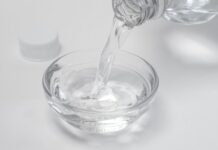
Got a detachable head? Great. Dunk it in a bowl of vinegar. Leave it. Let nature do the work.
Fixed fixture? No problem. Use a ziplock bag.
Fill it with distilled white vinegar. Hold it up. Submerge the showerhead inside. Tape it off with a rubber band.
Wait.
Leave it overnight. When the morning comes, peel the bag away. The gunk will be loose. Run the water until it smells clean and looks clear.
Steam Cleaners
Lindsay Droz co-founded a cleaning product brand. She cares about device longevity.
Her steamer? Descaled with vinegar every eight to ten uses.
“It keeps everything flowing,” she notes, “and extends the life of the device.”
Here’s how she does it.
Mix water and vinegar one to one in the basin. Turn the machine on. Let that mixture shoot through the nozzle until the tank is empty.
Clogs cleared. System happy.
Faucets
Small fixtures get just as dirty.
Hinojosa suggests the same vinegar bath technique for your kitchen or bath faucets. Since they are smaller though, you don’t need to leave them for hours.
A quick soak works.
Water flows better when the path is clear. Visually? They stop looking like chalk drawings.
The Dishwasher
Cloudy glasses after a cycle? Dishes that still feel faintly grimy?
It’s the minerals again.
Droz advises pouring one cup of white vinegar into an empty bowl. Put the bowl on the top rack. Stand it upright.
Run a hot cycle.
No detergent. No dishes. Just the vinegar eating through the hidden buildup inside the machine.
“It clears out mineral buildup,” Droz says, “and freshens the interior.”
Cloudy Glassware
What about the glasses that are already cloudy?
Soak them. Warm vinegar is the agent of change.
Five to ten minutes is usually enough. Scrub gently with a soft sponge if stubborn spots remain. Rinse. Wash normally.
The cloudiness is gone. Or mostly gone.
Countertops
Careful here.
Vinegar works on tile and laminate. If you have those around the sink, go ahead.
But not every surface forgives acid.
Hinojosa issues a strong warning: never put vinegar on natural stone. Marble. Quartz. Granite. All bad ideas.
The acid etches. The shine disappears. It’s permanent. Check your material before you spray.
Kettles and Keurigs
White buildup inside the kettle? The coffee machine dripping slowly?
Vinegar fixes this. Easily.
There is one catch. The smell. And sometimes a slight aftertaste in your next cup.
If you’re okay with the temporary nose pinch, just run the vinegar through.
Then rinse.
Droz suggests running a few extra cycles with plain clean water. Ensure every trace is washed out.
“Your coffee,” she says, “and your taste buds, will thank you.”
Will you trust the vinegar? Or buy the chemical remover?
The choice is usually cheap either way. But one sits in your kitchen already. The other waits in the plastic aisle. 🧪