



Roses are dramatic. Petunias beg for attention. We get it. But some plants just refuse to cooperate, no matter how much love you dump on them. You can have green fingers and still end up with a headache if you pick the wrong specimens.
This isn’t about laziness. It’s about sanity. Some plants are beautiful sure. But they are also divas, invaders, or straight-up poison. If you want a garden that doesn’t chew you up and spit you out, look twice at the list below.
01. Gardenias
Gardenias smell like heaven. The flowers are white and glossy, the scent is intoxicating, and for a minute, you think you’ve cracked the code.
Then you read the manual. They hate wet feet. But they love water. They like heat and humidity. They also hate the sun. It is a contradiction wrapped in a floral package. One wrong move and the leaves brown. Your garden turns into a minefield of “is this too wet or too dry?” questions.
The Gist:
* Zones: 8-11
* Soil: Acidic and draining.
* The Problem: You need constant vigilance. They are needy.
“Gardenias thrive only in specific conditions. Miss one detail and the plant quits.”
02. Monkshood
It looks like something from a fairy tale. The hooded flowers in purple or blue are striking. A real statement piece for your border.
But here is the catch. Monkshood is lethal. Like, actually poisonous to touch. You don’t need a child or a dog in the yard for this to be a bad idea. A gardener with itchy skin is all it takes to get in trouble. You have to wear gloves every single time. Really? For a flower?
The Gist:
* Zones: 3-8
* Soil: Moist and draining.
* The Problem: It wants to kill you. Or at least your hands.
03. Butterfly Bush
For years we told everyone to plant these. Big purple spikes. Butterflies love them. Who are we to argue with nature?
Well. Nature is arguing with us now. These things are invasive. They spread like a weed and they actually hurt native ecosystems. The pollen they produce? Useless for bees. The nectar? Okay maybe good. But the plant runs amok. Why risk turning your yard into an ecological nightmare? Try meadowsweet. Same look. Zero guilt.
The Gist:
* Zones: 5-9
* Soil: Moist.
* The Problem: Invasive. Bad for native pollinators long-term.
04. Running Bamboo
There are two kinds of bamboo. Clumping and running. Pick clumping. Always pick clumping.
Running bamboo does not stay where you plant it. It sends roots underground—rhizomes—and pops up ten feet away next summer. It will break your sidewalks. It will invade your neighbor’s lawn. You will be sawing through concrete in three years just to stop the creep. It feels good now. It feels terrible later.
The Gist:
* Zones: 6-10
* Soil: Moist.
* The Problem: It takes over property. Root barriers help. Sometimes not enough.
05. Japanese Wisteria
Spring arrives. Wisteria blooms. Those purple clusters hanging over an arbor look incredible. Romantic even.
But the vines are muscular. They are invasive. And they are strong. Japanese and Chinese wisteria don’t just grow; they conquer. They will crush your fence. They will strangle your shed. If you want wisteria without the wrestling match, buy American wisteria. It behaves. The others? They have ambitions.
The Gist:
* Zones: 5-9
* Soil: Well-draining.
* The Problem: Aggressive invader. Property damage is real.
06. English Ivy
Classic ground cover. Lush green. Fills in the gaps under shady trees.
It also fills in everything else. Ivy grows fast. Too fast. It covers lower plants and smothers them. The roots are sneaky too. They find cracks in your foundation and widen them. One day you lift the ivy mat and find structural damage. Is that ivy or a demolition crew?
The Gist:
* Zones: 4-13
* Soil: Moist.
* The Problem: Invasive ground killer. Use native alternatives like wild ginger.
07. Oleander
It looks pretty. Tall spikes of pink or white flowers.
Do not touch it. All parts of oleander are toxic. Even the smoke from burning oleander leaves can poison people. You need gloves. Protective clothes. A hazmat suit practically. If you have pets or kids, this plant is a landmine. There are safer options with the same aesthetic. Desert willow works. Or just garden phlox. Live to see tomorrow.
The Gist:
* Zones: 8-10
* Soil: Alkaline.
* The Problem: Lethal. Handle with extreme care.
08. Carnivorous Plants
Venus flytraps are cool. Pitcher plants look like sci-fi props. Who doesn’t want to grow insect-eating flora?
Indoors, they survive. Outside, they suffer. These plants need pure water. Not your tap water with chlorine and salt. Not rain mixed with car exhaust. They need bog conditions that most yards cannot mimic without serious engineering. Miss the soil pH? They die. Use fertilizer? They die. They are fragile little tyrants.
The Gist:
* Zones: 5-8
* Soil: Acidic bog mix.
* The Problem: Extremely picky. Hate chemicals. Hard to fake in a backyard.
09. Azaleas
Some people grow them fine. Good for them.
Most of us turn azaleas into stick-bushes within a year. They need acidic soil. They need the right airflow. If the air is still, mildew moves in. If the soil is heavy, roots rot. They demand perfection. One wrong cut and the pruning goes wrong. One wet spring and you’re looking at gray leaves. They are high-maintenance divas disguised as shrubs.
The Gist:
* Zones: 6-8
* Soil: Acidic.
* The Problem: Prone to rot, mildew, and death if conditions aren’t perfect.
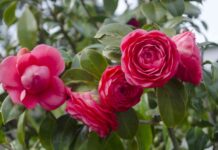
10. Camellias
Shiny leaves. Elegant blooms. A garden staple.
They burn in the sun. They freeze in the cold. They need moisture but not too much. They need acid soil but not too acid. It is a narrow path to happiness for camellias. Miss a step and they drop buds like rain. You spend the winter wondering what you did wrong.
The Gist:
* Zones: 7-9
* Soil: Moist acid.
* The Problem: Temperature and sun sensitive. Pest magnets when stressed.
11. Wasabi
Want fresh wasabi paste? Grow wasabi.
Just kidding. Unless you are a monk with a misting system. Wasabi hates sun. It hates heat. It hates cold. It needs temperatures between 45 and 75 degrees Fahrenheit constantly. Constantly. And the soil must stay wet like a stream bank. One dry day and it’s gone. It is an engineering challenge, not a garden plant.
The Gist:
* Zones: 8-10 (microclimate dependent)
* Soil: Consistently wet.
* The Problem: Impossible climate requirements for home growers.
So there you have it. Beauty comes with a price tag. Sometimes that tag says “invasive.” Sometimes it says “toxic.” Sometimes it just says “try again.” Pick your battles wisely.