




It hits you the moment you lift the lid. That sour, wet smell of rotting food. It’s aggressive. It lingers. You empty the bin. You change the bag. You maybe even run some spray. Nothing works. The stink stays, settling into the kitchen air and ruining the vibe of your home.
We’ve all been there. The standard solutions feel like band-aids on a bullet hole. Commercial air fresheners just mask the rot. They don’t stop it. But there is a fix. It isn’t high-tech. It isn’t expensive. It is old-school.
Paper is porous. It grabs moisture. Moisture causes rot. Stop the moisture, stop the smell.
Why Garbage Smells So Bad
It is simple chemistry. Organic waste—peels, leftovers, coffee grounds—ferments. Bacteria and mold love damp environments. In a city apartment, this problem is worse than in a house with a yard. Plastic bags aren’t hermetic. They let steam escape. Liquefied waste pools at the bottom.
In rural areas, composting or strict sorting helps. But for most of us in dense living spaces, the bin becomes a bacterial incubator within hours. The humidity accelerates decomposition. The smell intensifies. By midday, your kitchen smells like a landfill.
The Newspaper Trick
Your grandmother knew this. It is a proven, natural method that has been passed down for generations. The secret ingredient? Newspaper.
Not fancy charcoal filters. Not expensive scented liners. Just ink and paper.
Line the bottom of your trash can with a few sheets of newspaper before you put the bag in. It sounds too simple. It works because paper is highly absorbent. It soaks up the liquids that leach out of food waste. It absorbs the vapors that cause the odor.
By controlling the humidity, you slow down decomposition. The bacteria don’t thrive as quickly. The smell doesn’t build up as fast. You get more time between deep cleans. It is a practical solution to a chemical problem.
Why It Works
Porosity is key here. Newspaper fibers trap both liquid and gas. It acts as a barrier. It keeps the wettest part of the waste away from the air circulating in your bin.
Regulate moisture. Slow decay. Eliminate the source.
This isn’t just about smell. It is about hygiene. Less bacteria means a cleaner environment. It also gives your trash bags a slight buffer against punctures from sharp bones or crusts. A small benefit, but a real one.
Eco-Friendly and Cheap
You are likely throwing away newspapers every day or week anyway. Using them here gives them a second life. They are biodegradable. They are non-toxic. You aren’t introducing new chemicals into your home or the waste stream.
It fits into a zero-waste mindset without requiring major lifestyle changes. You aren’t buying a special product. You are using what you already have.
How to Do It
- Clear the bin. Make sure it is clean and dry before starting.
- Grab the paper. Use a few sheets from your daily or weekly paper. Crumple them slightly for better absorption capacity.
- Line the bottom. Place the paper at the very bottom of the trash can.
- Add the bag. Place your plastic or compostable bag on top.
- Maintain. When you empty the bin, repeat the process. If the paper gets saturated, replace it.
This habit takes seconds. It costs nothing. It works.
Why This Matters
We rely too much on masking agents. We spray over the problem instead of solving it. This method addresses the root cause. It tackles the humidity that makes trash smell so bad in the first place.
It is a return to common sense. A return to simple, effective tools. In a world of over-engineered household products, sometimes the best solution is the one sitting in your recycling bin.
Try it for a week. See if the air feels lighter. See if the smell fades. It might seem small. But in the kitchen, where we spend so much time, small changes matter. The stink is gone. Or at least, significantly reduced.

The real power of this method isn’t in some complex chemical formula. It’s in how easily it slips into your existing cleaning routine. You don’t need special tools. You just need to adjust your routine slightly based on your needs or the season.
Simple steps for an odor-free trash can
Practicing this trick requires zero chemical products or specific hardware. Here is the step-by-step process to ensure impeccable hygiene in your bin:
- Place two or three sheets of clean, non-glossy newspaper at the bottom of the bin before inserting the trash bag. Avoid heavily colored papers or those from glossy advertisements.
- Fold the newspaper up over the edges of the bin. Alternatively, insert an extra sheet between the bag and the bin wall to absorb more moisture that might seep in.
- Change the paper systematically every time you change the bag. Do this at least once a week to maintain effectiveness.
This ritual takes seconds. It prolongs the cleanliness of the bin itself. You can apply it to bathroom bins or office bins where ventilation is often lacking. This simple gesture fosters a healthier environment.
Tips to optimize the newspaper effect
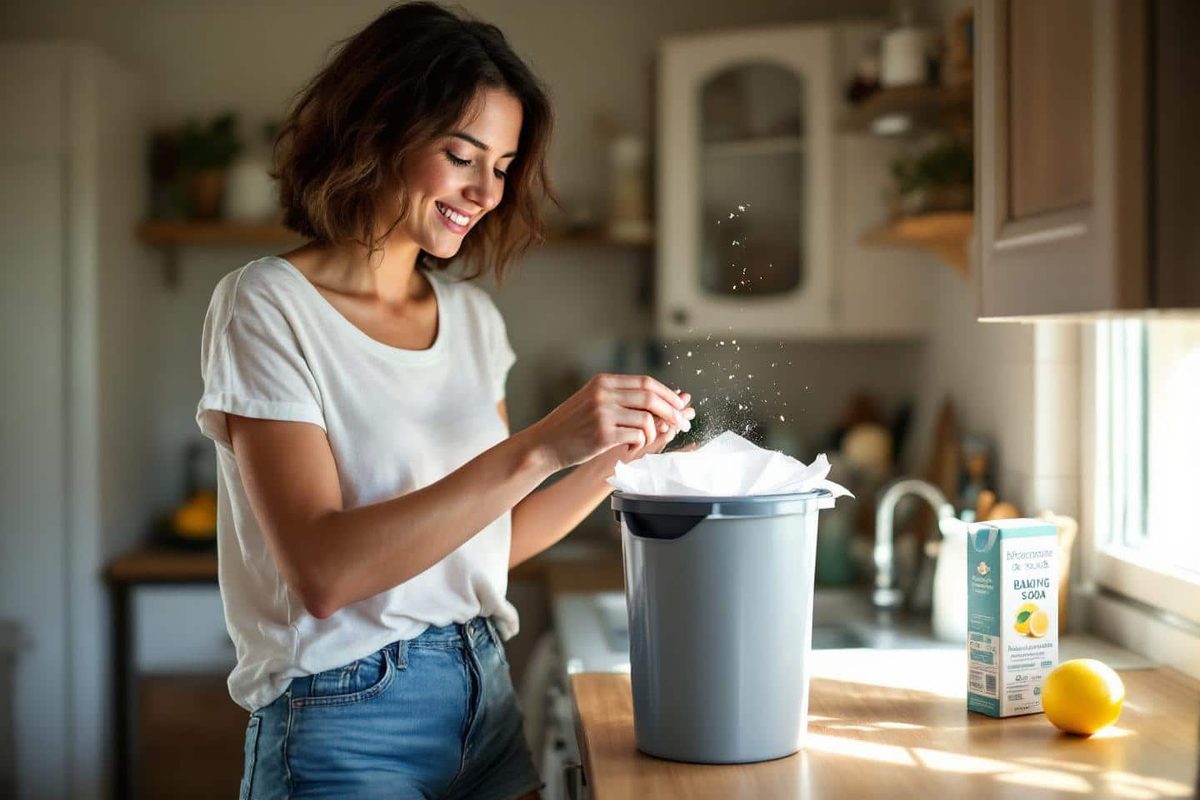
Newspaper already shows remarkable capacity to limit bad smells. But a few additional strategies amplify its efficiency. For example, sprinkling a small amount of baking soda onto the newspaper enhances liquid absorption. It also neutralizes odors more durably.
You can also add a few drops of essential oils—like lemon, lavender, or tea tree—directly onto the newspaper. This perfumes the interior of the bin each time you open it. Just be careful to choose oils that are safe if you have small children or pets around.
Using pieces of activated charcoal complements this setup well. It reclaims an old trick once used in pantries. Combining these methods lets you alternate between tradition and innovation. You maintain an eco-friendly lifestyle while doing it.
Integrating newspaper into your cleaning routine brings back a gesture that is both simple and effective. It is within everyone’s reach. This method isn’t revolutionary, but it promises quick results. Adopt this reflex for just one week and you’ll notice the improvement immediately.
It’s economical. It’s ecological. It’s clever. This small change fits perfectly into modern living. Why not think about a second life for your newspaper before recycling it? With this trick, opening the trash can might finally lose its unpleasant aspect for good.