




The microwave oven stands as one of the most significant household inventions of the 20th century. Hundreds of millions of homes across the globe rely on this compact appliance daily. You probably use yours more often than you realize. Running late for work? There is no time to cook breakfast. You stop at a convenience store and buy a frozen burrito. Then you drop it into the counter microwave. Later, at 3 p.m., you grab microwaveable popcorn from a vending machine. By evening, you reheat leftover lasagna because grilling feels like too much effort.
This convenience comes from speed. These devices cook food in a fraction of the time traditional methods require. They are also surprisingly efficient. The microwave heats the water molecules inside your food directly. It does not heat the air around it or the plate beneath it. This targeted heating means less wasted energy. But how does it actually work? The answer lies in a specific part of the electromagnetic spectrum.
What Are Microwaves?
Microwaves are a type of electromagnetic radiation. They sit between infrared radiation and radio waves on the spectrum. The frequency range is roughly 300 megahertz to 300 gigahertz. Wavelengths vary from one meter down to one millimeter. You might associate this range with Wi-Fi routers or car key fobs. In a microwave oven, the frequency is tuned precisely. The standard operating frequency is 2.45 gigahertz.
This specific frequency is not random. It matches the resonant frequency of water molecules. When these molecules absorb the energy, they rotate rapidly. This rotation creates friction. Friction generates heat. That is why wet foods cook faster than dry ones. Salt and sugar also help absorb energy, but water is the primary driver.
The Magnetron: The Heart of the Oven
The component responsible for generating this radiation is called a magnetron. It looks like a copper canister with fins. This metal heats up during operation, which is why the exterior of an oven can feel warm. The magnetron converts electrical energy into microwave radiation. It uses a combination of magnetic and electric fields to accelerate electrons. These electrons then interact with cavities in the metal structure. This interaction produces the oscillating electromagnetic field.
The microwaves are fed into the cooking cavity through a waveguide. This is a metal tube that directs the energy. The interior of the oven is lined with metal. This reflective surface bounces the waves around. It ensures even distribution. If the waves hit a single spot, the food would burn in one area and remain frozen in another. The turntable helps further by rotating the plate. Not all models have a turntable. Some use a stirrer fan instead. Both methods aim to distribute energy evenly.
Why Some Materials Stay Cool
You have noticed that your plate stays cool while the food gets hot. This is not a malfunction. It is physics. Microwaves interact primarily with polar molecules. Water, fats, and sugars are polar. They have positive and negative ends. The alternating electric field causes these molecules to flip back and forth billions of times per second. This movement creates heat.
Ceramic and glass are generally non-polar. They do not absorb microwaves effectively. They may warm up from the hot food sitting on them. But the microwaves pass
Why Your Food Gets Hot (And Your Plate Doesn’t)
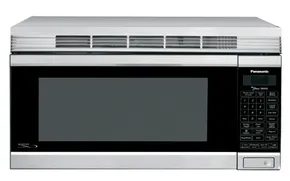
The core mechanic is deceptively simple. You put stuff in a box. The box emits microwave oven heating mechanism waves at 2.45 gigahertz. These waves sit between radio signals and infrared light on the spectrum. They aren’t magic. They’re physics.
Water molecules, fats, and sugars love these specific frequencies. When the waves hit them, the molecules start vibrating. Fast. This atomic motion creates friction. Friction creates heat. That’s why your lasagna gets hot.
But your plate stays cool. Most plastics, glass, and ceramics don’t absorb these waves. They let them pass right through. Metal is a different story entirely. It reflects the energy. That’s why you can’t put a fork in there. The waves bounce off the metal walls, too. This containment keeps the energy focused inside the cavity. No reflection means no cooking.
The Geometry of Heat
There is a catch. Microwaves don’t penetrate deep into food. They usually stop about an inch or two below the surface. If you have a thick cut of meat, the outside might be steaming while the center remains cold. The waves just don’t reach.
This leads to uneven cooking. Some spots get blasted with energy. Others get nothing. That’s why you hear the beep pause and the “turntable” motor whir. The rotating plate helps distribute the waves more evenly. It exposes different sides of the food to the energy sources.
If you skip the turntable on a manual model, you have to intervene. You need to stir or rearrange. Otherwise, you’ll get hot spots and cold spots. A bitten center that burns your tongue while the edges are lukewarm is a common mistake.
What to Avoid in the Microwave
Not everything belongs in the box. You know not to put metal in. Aluminum foil causes arcing. It’s dangerous. But what about other materials?
Check your labels. Some plastics can melt or leach chemicals when heated. Look for “microwave-safe” stamps. Glass and ceramic are generally safe, provided they don’t have metallic paint or trim. That trim can spark.
Paper towels are fine for short bursts. They absorb moisture. But don’t leave them in there for ten minutes. They can catch fire if they get too dry and hot.
Defrosting and Power Levels
Most ovens have a defrost setting. It uses lower power. Instead of blasting the food, it pulses on and off. This allows heat to conduct from the warmer outer layers to the colder center. It prevents cooking the edges while the middle is still frozen.
You can also adjust power manually. 50% power is great for reheating leftovers. It gives the heat time to spread without turning the edges into rubber. 100% power is for boiling water or cooking raw items.
The Safety Aspect
You don’t need to wear a lead apron. The microwave is designed to keep those waves inside. The metal screen on the door window is a Faraday cage. It lets you see in, but keeps the radiation in.
If the seal on your door is broken, stop using it. Leaking waves can cause cataracts or burns. But if the door closes properly and latches, you’re safe. The waves don’t
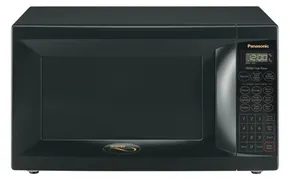
You have probably heard the phrase that microwaves cook food “from the inside out.” It sounds like science fiction. It is not. The reality is grounded in how radio waves interact with matter. Understanding this distinction changes how you approach your meals.
The Conventional Oven Problem
Imagine you are baking a cake. The recipe calls for 350 degrees Fahrenheit. You make a mistake. You set the dial to 600 degrees Fahrenheit.
What happens?
The exterior burns. The center remains cold.
This happens because conventional ovens rely on conduction. Heat enters from the outside air and slowly migrates toward the middle. The hot, dry air evaporates surface moisture. This creates a crust. It browns the bread. It crisps the edges. But the heat transfer is slow. The inside lags behind.
Exciting Molecules, Not Conducting Heat
Microwaves work differently. They do not heat the air in the oven. The air stays near room temperature. Instead, the oven emits radio waves. These waves penetrate the food.
They excite water and fat molecules.
These molecules vibrate. They generate heat. This happens throughout the food volume. Heat is not migrating inward. It is being generated everywhere at once. You are not conducting heat. You are exciting atoms.
There are limits to this process.
Thick pieces of food pose a problem. Microwaves do not always reach the exact center. They lose energy as they penetrate. You also get hot spots. Wave interference creates areas of higher intensity. The heating is not perfectly even. But the basic principle remains. The energy is absorbed within the food, not just on the surface.
Why Crusts Don’t Form (Usually)
Since the air in the oven is not hot, you cannot form a traditional crust. The surface does not dry out and brown through conduction. Your leftover pizza stays soggy. Your microwave burrito gets cold spots.
Manufacturers have found a workaround.
Some “microwavable” pastries come with a sleeve. The sleeve is made of foil and cardboard. You place the food inside. You put the sleeve in the oven. The sleeve absorbs microwave energy. It becomes very hot. The exterior heat crisps the pastry. It mimics a conventional oven.
The food itself is still heated by molecular excitation. The sleeve handles the browning.
Practical Takeaways
This physics explains why you must be careful with thick cuts of meat. The outside may heat up quickly. The center might still be raw. Stirring helps. It moves the hotter molecules to the center. It evens out the interference patterns.
You are not baking in a microwave. You are vibrating water molecules.
If you want a crust, you need an external heat source. The microwave alone cannot provide it. That is why many people finish a microwave dish in a toaster oven. They get the speed of the microwave. They get the texture of the oven.
It is not magic. It is just physics. And physics can be messy.